




Case Study: Dry Creek Ranch
Key Takeaways
Land-first planning leads to better long-term results.
Early site evaluation prevents costly mistakes.
Strategic building placement enhances both views and functionality.
Future-proofing ensures flexibility for evolving family needs.
These principles guided every decision in designing Dry Creek Ranch and serve as a blueprint for thoughtful, high-end ranch development.
Project Overview
Location: Colorado
Size: 55 acres
Type: Ranch / Family Homestead
Scope: Master planning + architectural design
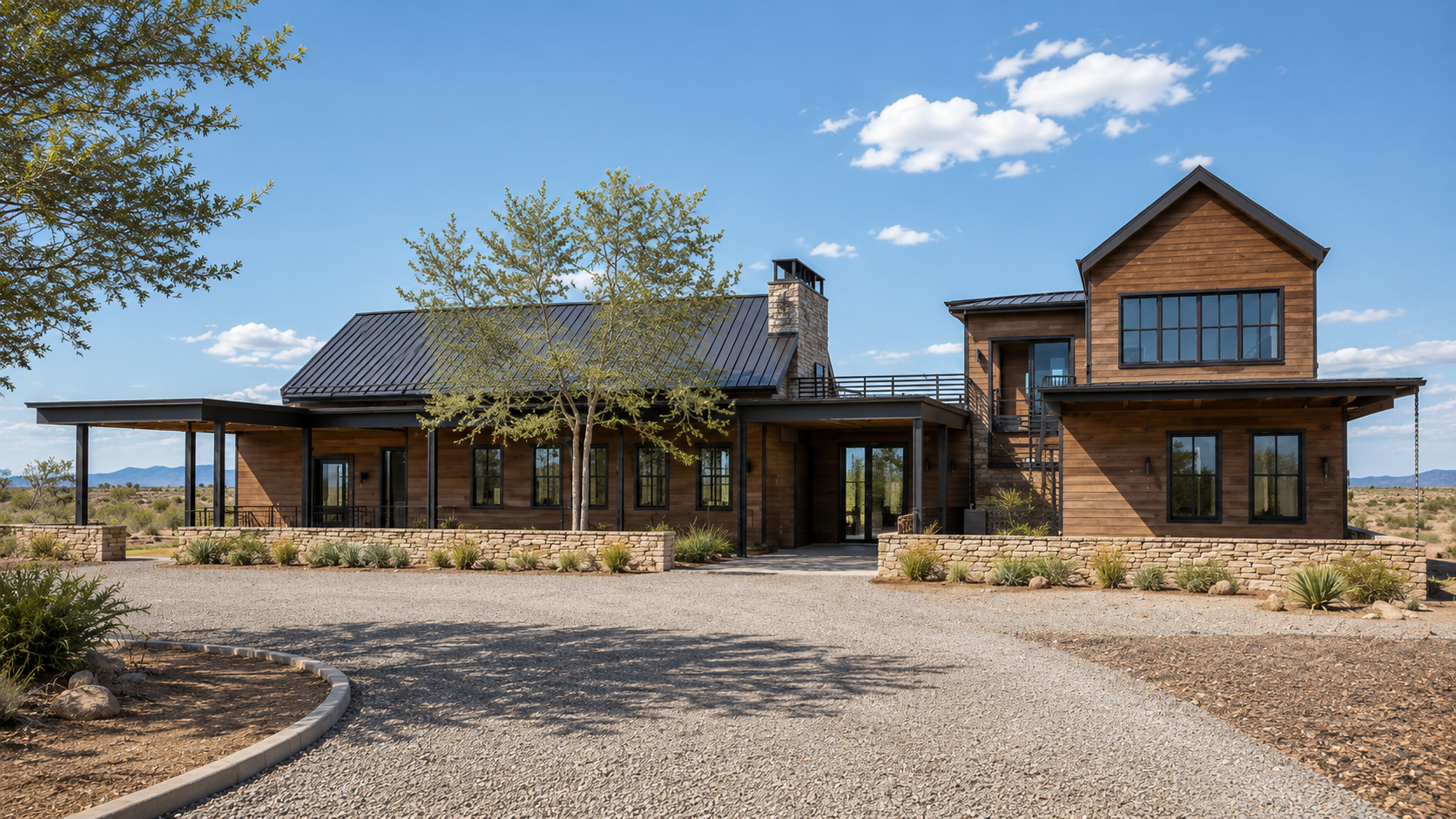
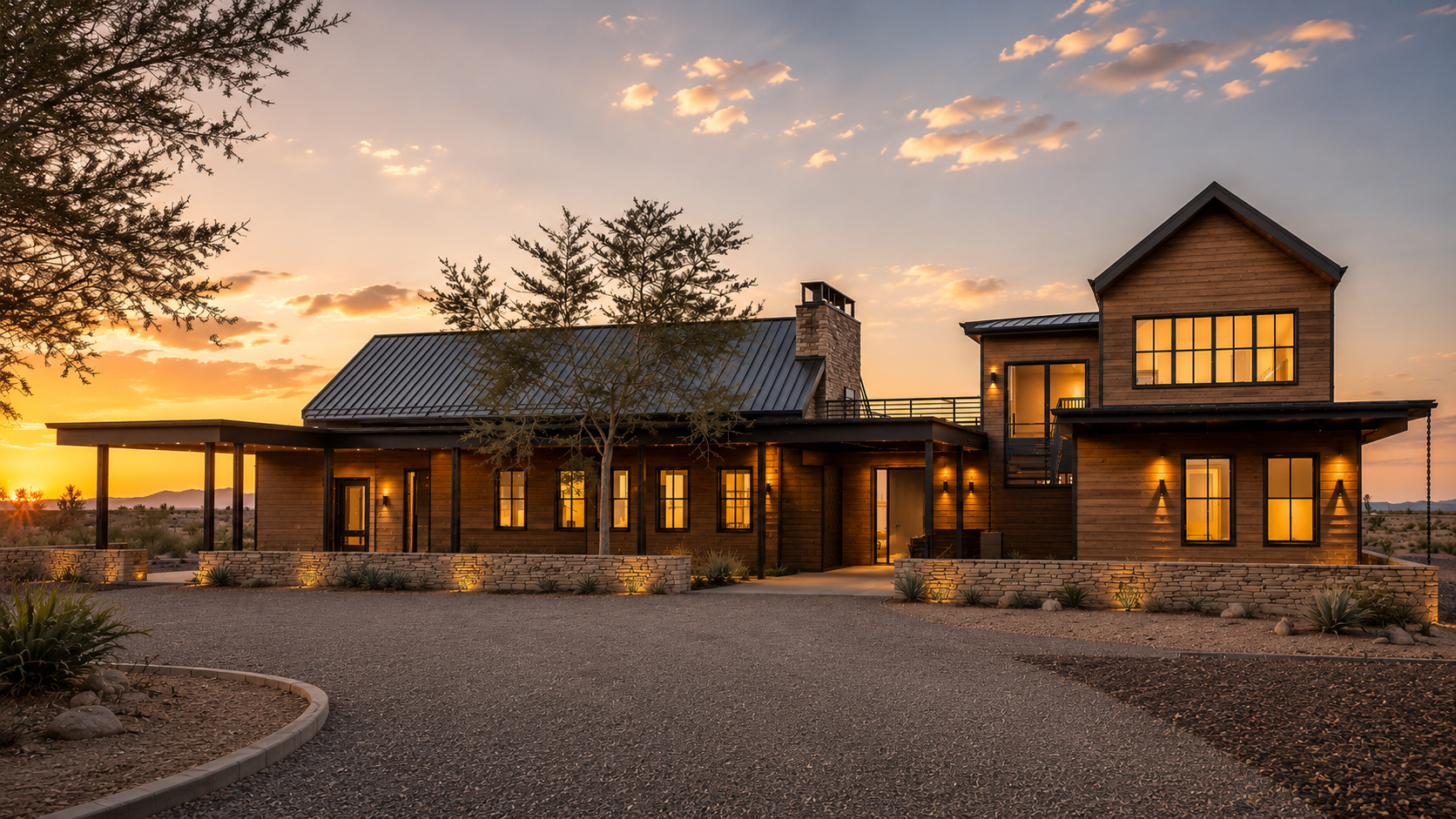
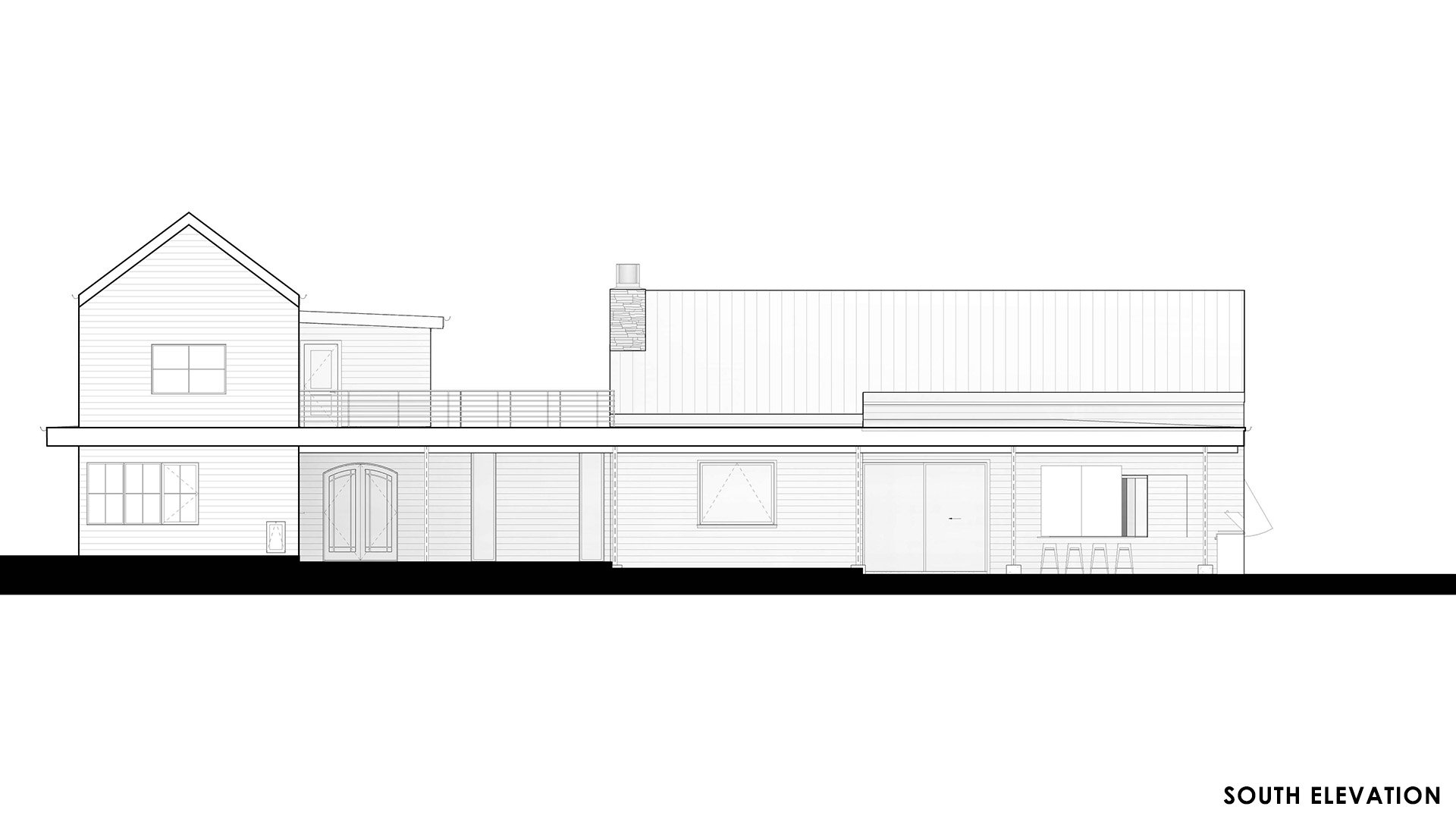
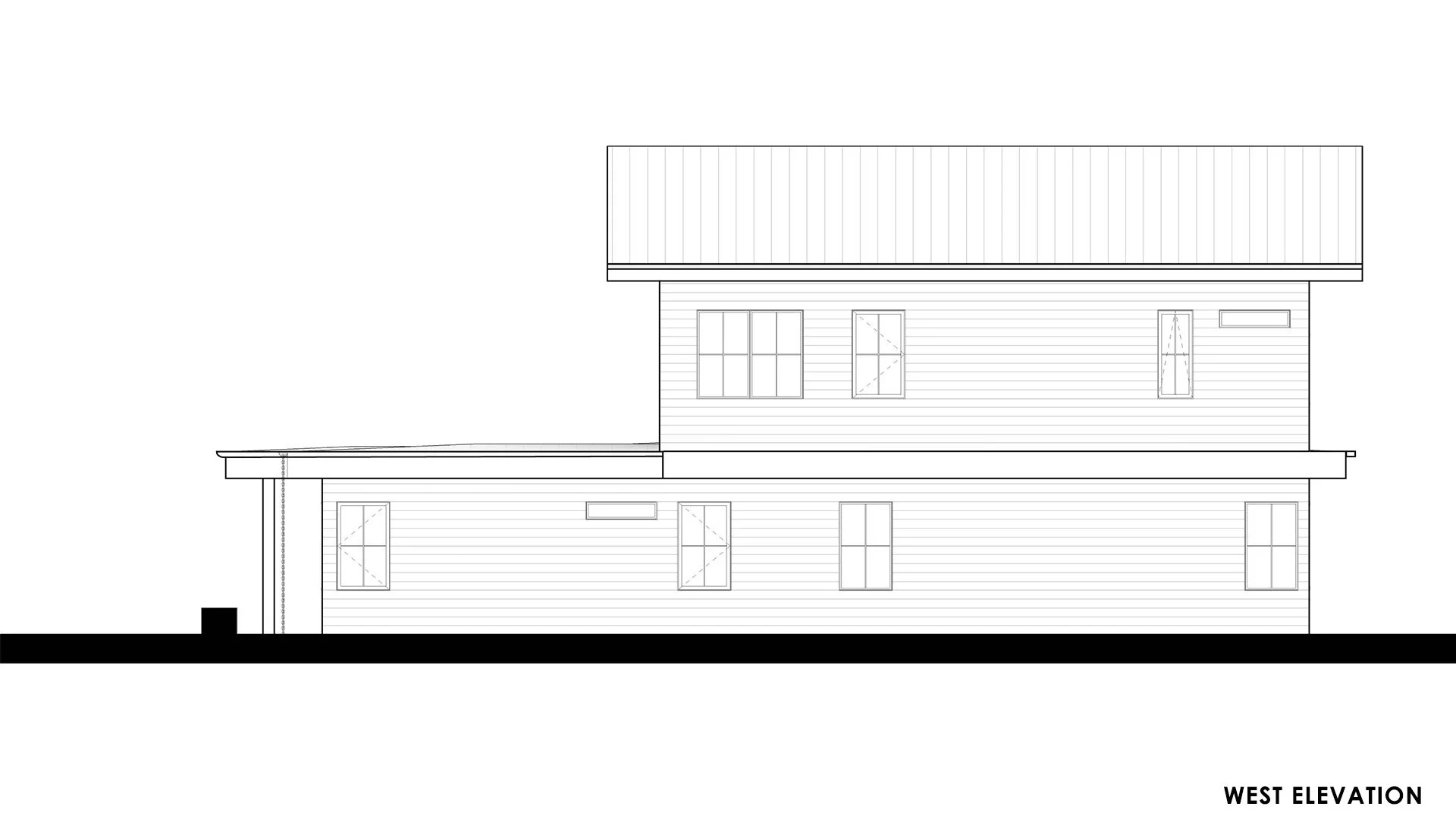
Dry Creek Ranch is a 55-acre family homestead designed as a timeless retreat overlooking the Pueblo Reservoir. The project integrates architecture, landscape, and functionality to create a long-term legacy property that balances comfort, usability, and connection to the natural environment.
The Vision
The client’s goal was a ranch that could serve both as a private family retreat and a multi-generational legacy property. They wanted a design that:
Preserves and celebrates the natural landscape
Balances functional living spaces with recreational areas
Supports long-term family use and potential future expansion
The focus was on creating a ranch that grows with the family while respecting the land.
The Challenge
The site offered both opportunity and complexity:
Terrain: Rolling topography required strategic building placement to minimize grading and disruption.
Views vs Buildability: Maximizing scenic views without compromising site stability or natural drainage.
Access & Circulation: Designing roads and pathways for easy movement across a 55-acre property.
Climate & Environment: Ensuring buildings were oriented for natural light, passive heating, and durability.
Scale: Planning a large property while creating intimate, functional zones for living and recreation.
The challenge was to create a cohesive plan that respected the land while providing long-term flexibility.
The Approach
Our philosophy is land-first planning: understanding the site before designing buildings. We focused on:
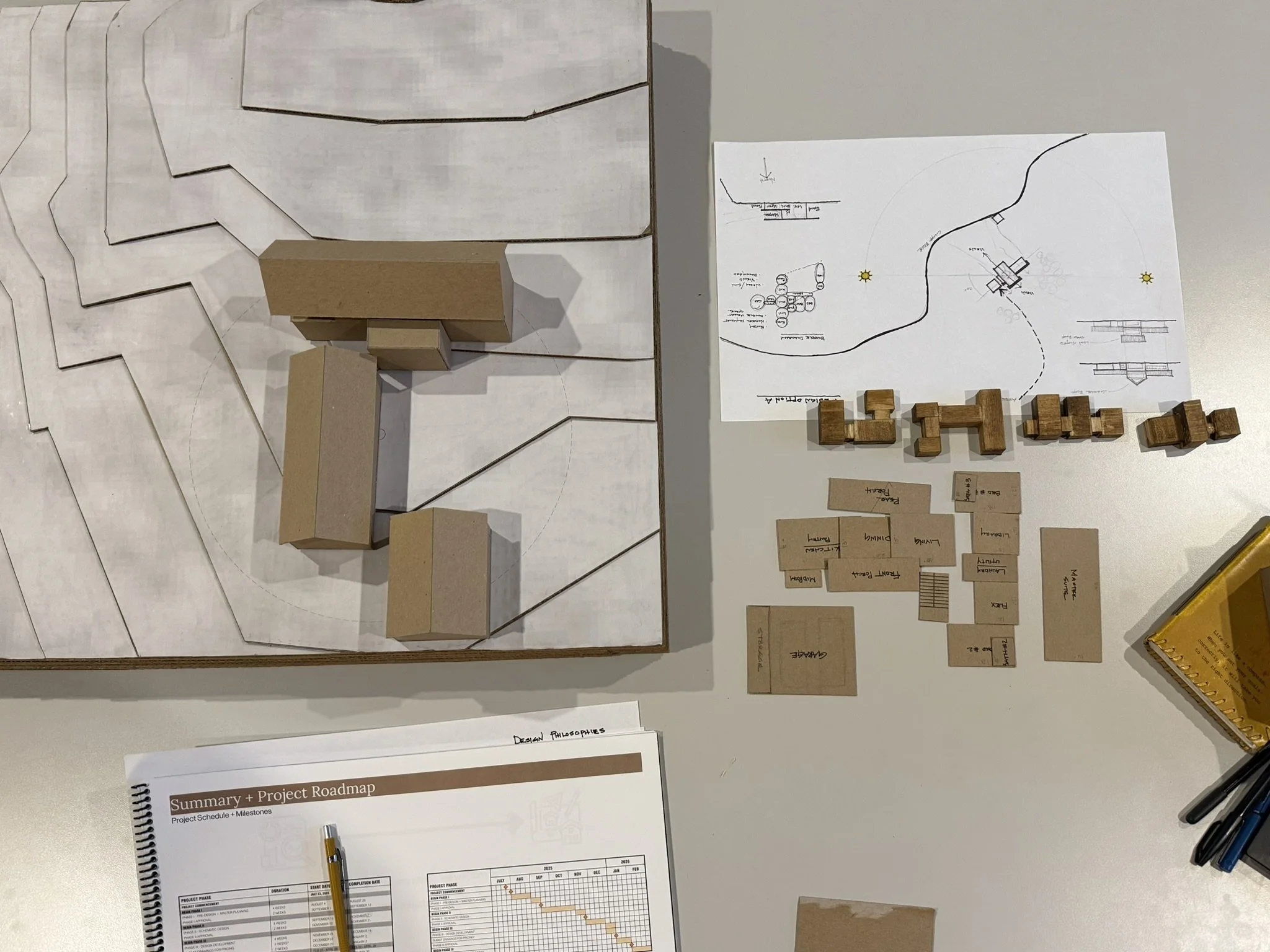
Site Evaluation: Detailed analysis of topography, views, drainage, and access to guide every decision.
Land Use Planning: Zoning areas for residential, recreational, and future development while protecting natural features.
Concept & Schematic Design: Developing layouts that balance lifestyle needs with environmental sensitivity.
Sustainability Considerations: Passive design strategies and long-term resilience are integrated into every structure.
Architecture should serve the land and lifestyle — not the other way around.
The Solution
The final design included:
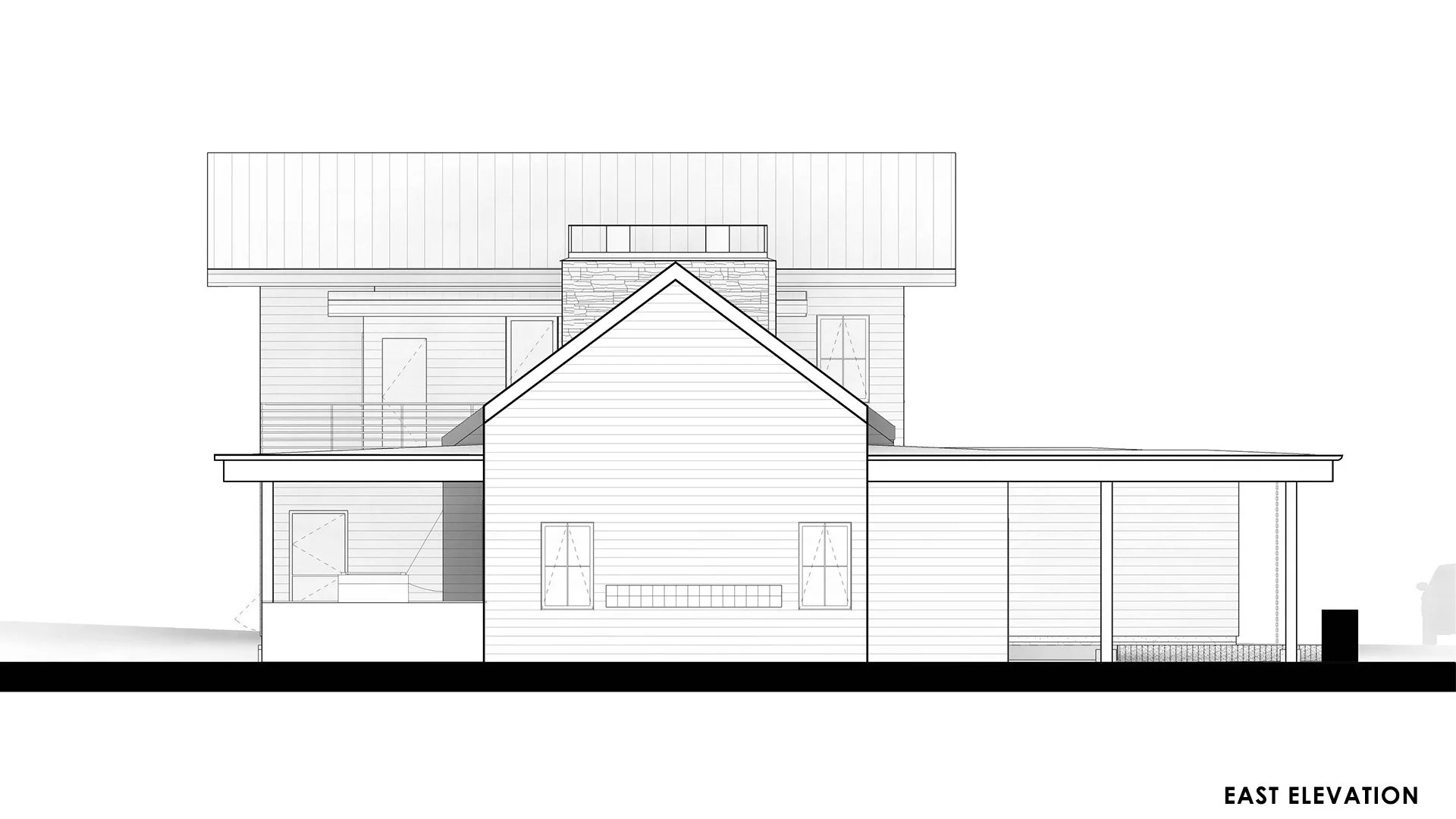
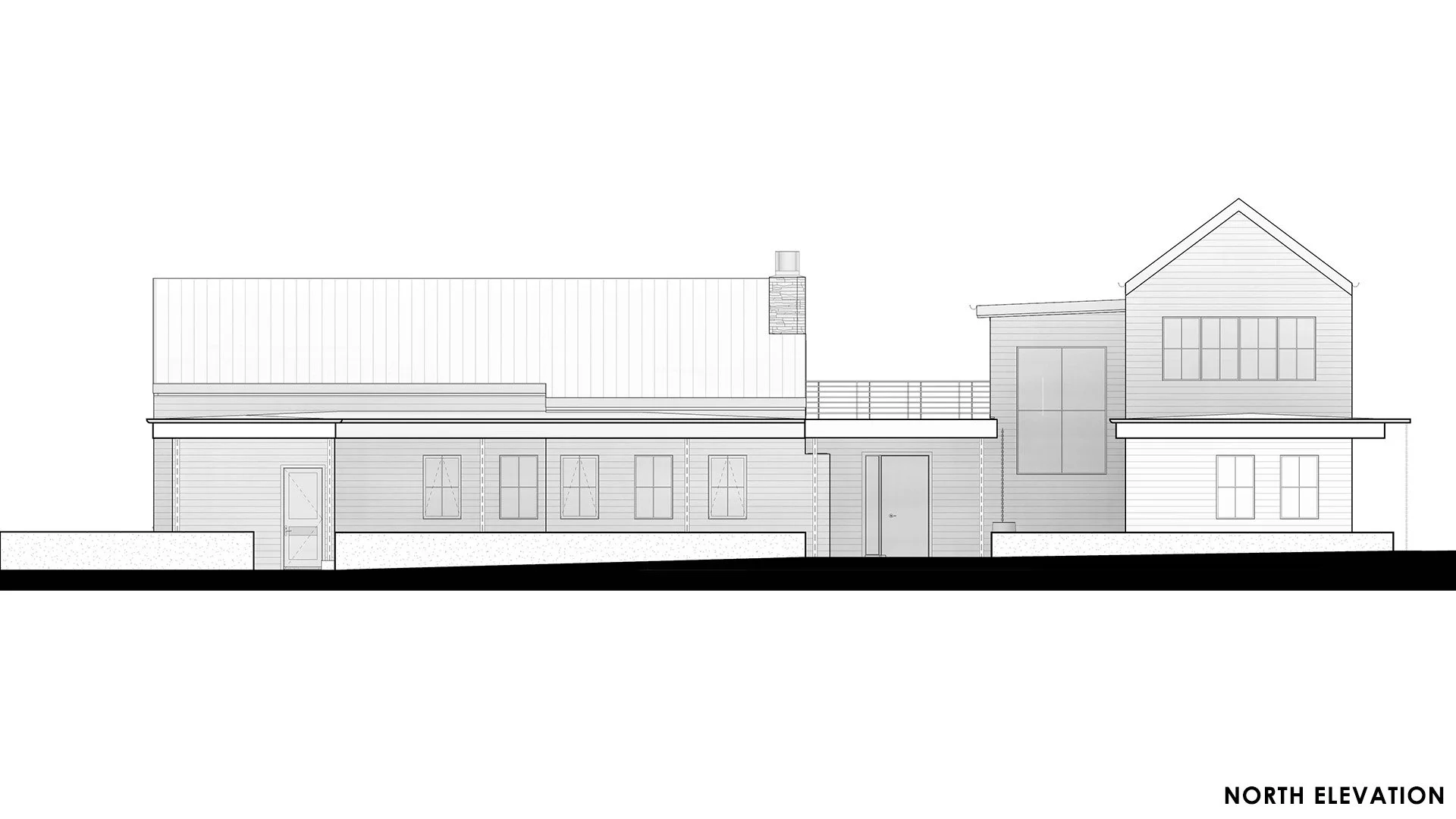
Custom Ranch Home: Centralized hub with indoor-outdoor connectivity and panoramic views.
Master Planned Site: Structures carefully positioned to minimize land disturbance and preserve natural scenery.
Functional Zones: Separation of living, recreational, and support areas for efficiency and comfort.
Future Expansion: Land strategically allocated to accommodate additional structures or modifications over time.
The design creates a property that is both practical and elegant, ready to support family living today and evolve with future needs.
The Outcome
Even before construction, the design achieves:
Optimized land use that preserves natural features and maximizes views.
Functional site layout that supports daily life and long-term growth.
A cohesive master plan that reduces costly revisions during construction.
Sustainable design principles that enhance comfort, efficiency, and resilience.
Dry Creek Ranch is a strong example of how careful planning and thoughtful design protect both investment and the environment.