
Over-Designed vs. Well-Designed Architecture: Knowing the Difference

Architecture is not simply about aesthetics. It is a discipline that integrates function, context, structure, cost, sustainability, and, most importantly, human experience. Every project carries long-term consequences, which means design decisions must account not only for how a building looks on day one, but how it will be used, maintained, and lived in for decades to come.
Turning ideas into built reality requires navigating every phase of design and construction while constantly balancing performance, budget, durability, and use. A building must do more than present well; it must support the people who rely on it and adapt as life unfolds within its walls. When design prioritizes appearance over function, complexity tends to increase while clarity is lost.
This is where architecture begins to fall on a spectrum between well-designed and over-designed. Great architecture resolves problems with intention and restraint. Poor design, even when visually impressive, often introduces unnecessary complications. Understanding the difference matters, not just for architects, but for anyone investing in the built environment.
In this blog, we explore what distinguishes thoughtful design from excess, why it matters, and how both professionals and clients can recognize the difference. We hope this blog helps you see architecture through a new lens and aids you as you search for a team to help you bring your next project to life.
What “Design” Means in Architecture
Architectural design is the creation of a building or an environment’s form, function, and experience. It addresses how people move, live, work, and interact with space. A strong design goes beyond visual appeal; it is purposeful, efficient, contextual, and sustainable. A well-designed building respects the site, climate, culture, and programmatic needs of its users, resulting in a structure that feels both intentional and integral to its environment.
Principles of Good Architectural Design
Good architectural design is defined by several interrelated principles:
Functionality: The building serves the needs of users effectively.
Aesthetics in Balance with Use: Visual appeal that supports usability rather than distracts from it.
Context Response: Respect for site, culture, climate, and surroundings.
Sustainability: Efficient use of resources and long-term environmental stewardship.
Human Experience: Spatial quality that enhances comfort, safety, and accessibility.
Adaptability: Spaces that can evolve over time.
These aspects form the foundational criteria against which designs should be judged.
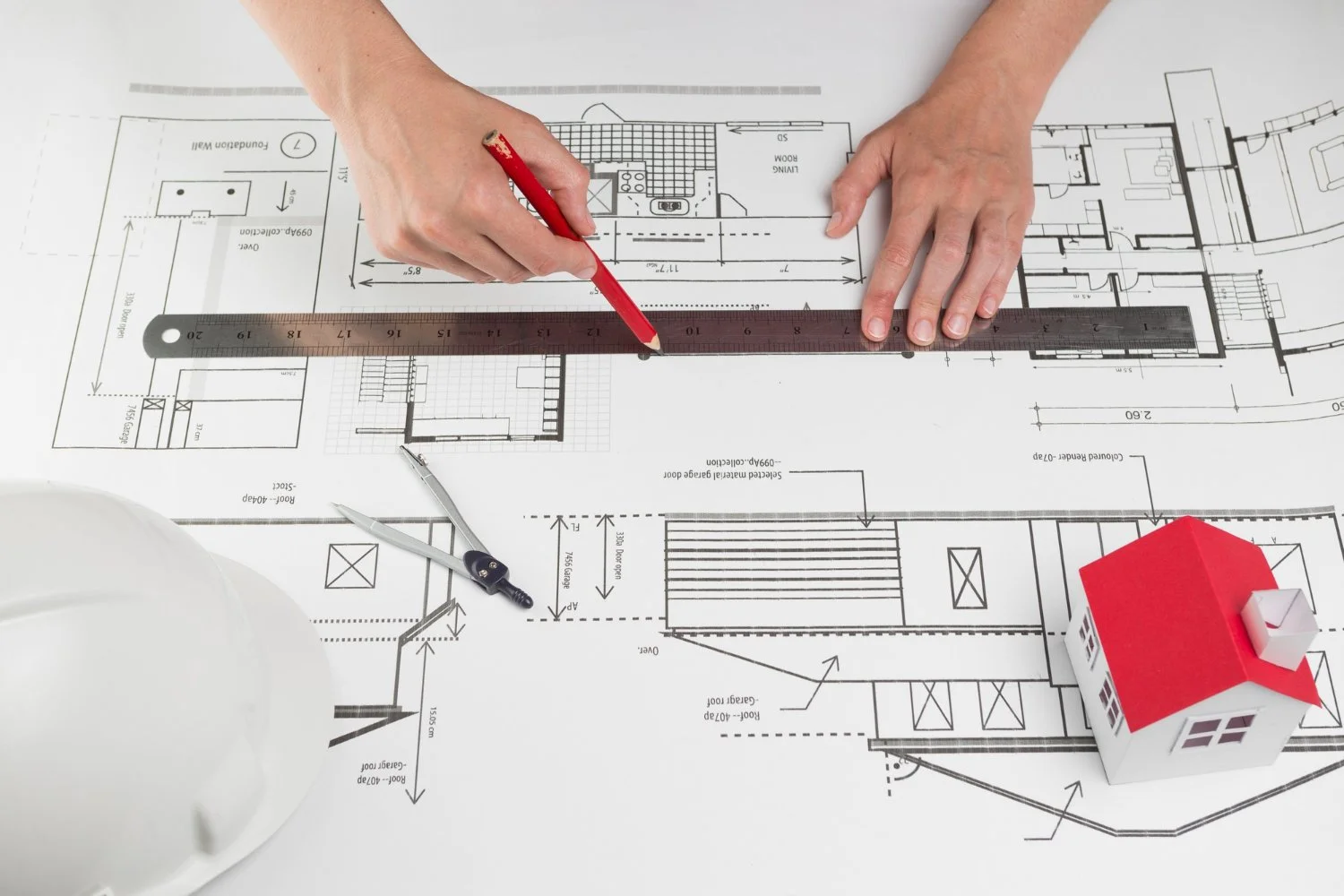
What Is Over-Designed Architecture?
“Over-design” in architecture refers to work where complexity, extravagance, or novelty overshadows core project needs. These designs often prioritize style over substance and compromise on practicality, cost, or long-term performance.
Common Characteristics of Over-Design
Architectural over-design often exhibits:
Unnecessary complexity in form or structure.
Unrealistic or excessive cost with limited functional benefit.
Maintenance challenges arising from complex geometries or materials.
Poor user experience because of prioritizing visual drama over usability.
What Is Well-Designed Architecture?
In contrast, well-designed architecture resolves complexity with precision and aligns form with function. It reflects the inherent needs of the program, site, and stakeholders without unnecessary embellishment.
Core Traits of Well-Designed Architecture
Well-designed structures:
Solve functional requirements efficiently.
Use materials and systems judiciously.
Respect the environmental and cultural context.
Offer comfort, safety, and long-term durability.
Facilitate maintenance and adaptability.
Design quality is often most apparent in buildings that feel inevitable — where every decision supports purpose and every space makes sense.

Key Differences: Over-Designed vs. Well-Designed
1. Functionality
At the heart of architectural design is function. A well-designed building supports the daily activities of its users without friction. Over-design, by contrast, introduces features that may look remarkable but contribute little to utility. Imagine an overly complex façade that disrupts internal daylight instead of enhancing it; the aesthetic becomes a liability rather than an asset.
2. Simplicity and Clarity
Good design shows restraint. It expresses ideas clearly without clutter. Over-design might layer form upon form, prioritizing novelty. A simple, strong idea executed well typically outlasts one that relies on showiness.
3. Sustainability and Cost Efficiency
Well-designed architecture accounts for long-term costs, energy use, and environmental impact. Over-design often escalates budgets and maintenance demands without corresponding value. Sustainable design and cost efficiency are not optional extras; they are essential performance criteria.
4. User Experience
The best architecture promotes health, safety, comfort, and accessibility. Buildings that prioritize appearance over experience frequently generate user frustration - from awkward circulation to inefficient space planning. Well-designed spaces invite interaction and create a sense of belonging.
How to Avoid Over-Design in Practice
1. Establish Clear Project Objectives Early
Design teams and clients must align on clear functional priorities early in the project. A detailed brief reduces the risk of design decisions that add complexity without purpose.
2. Embrace Iterative Design and Feedback
Design should be tested, iterated, and evaluated against requirements. Iterations reveal when a feature adds real value or when it is ornamental excess. Feedback loops ensure architects do not fall in love with design for its own sake.
3. Maintain Open Collaboration with Clients
Architect-client communication should be transparent. Discuss decisions in terms of impact on users, cost, and long-term performance rather than stylistic preferences alone.
4. Use Functional Models and Mock-Ups
Mock-ups help validate decisions before construction. When features are tested on a real scale, their purpose (or lack thereof) becomes clearer.

Principles to Guide Better Architectural Decisions
To elevate architectural practice beyond the superficial, design professionals can adopt guiding principles:
Function First, Form Second: A building must first serve its core needs. Form follows this foundation.
Context Sensitivity: No building stands alone. Respect the site, climate, culture, and community.
Economy of Means: Strive for solutions that do more with less.
Human-Centered Outcomes: Create spaces that enhance life quality.
Sustainable Commitment: Integrate environmental stewardship from concept through lifecycle.
Clarity of Purpose: Every design decision should have a clear, communicated rationale.
These principles not only help prevent over-design, they also advance architecture as a thoughtful discipline that creates enduring value.
Conclusion
Good architectural design is not the product of static rules; it is the result of thoughtful decision making, disciplined execution, and a commitment to serving people and place. Over-designed architecture may impress at first glance, but well-designed architecture endures, fosters meaningful human experiences, and contributes positively to communities. Whether you are an architect, developer, or client, understanding the difference between over-designed and well-designed will elevate your projects and strengthen long-term outcomes.
Thank you for your time reading this blog. You can read more of our blogs at: https://www.sidneyauldsbuildingstudio.com/blogs and see more of our work at: https://www.sidneyauldsbuildingstudio.com/projects.
If you’re ready to begin your next project, we would be honored to speak to you about it. Contact us here: https://www.sidneyauldsbuildingstudio.com/contact