
Designing Tomorrow’s Communities for Children’s Health and Development
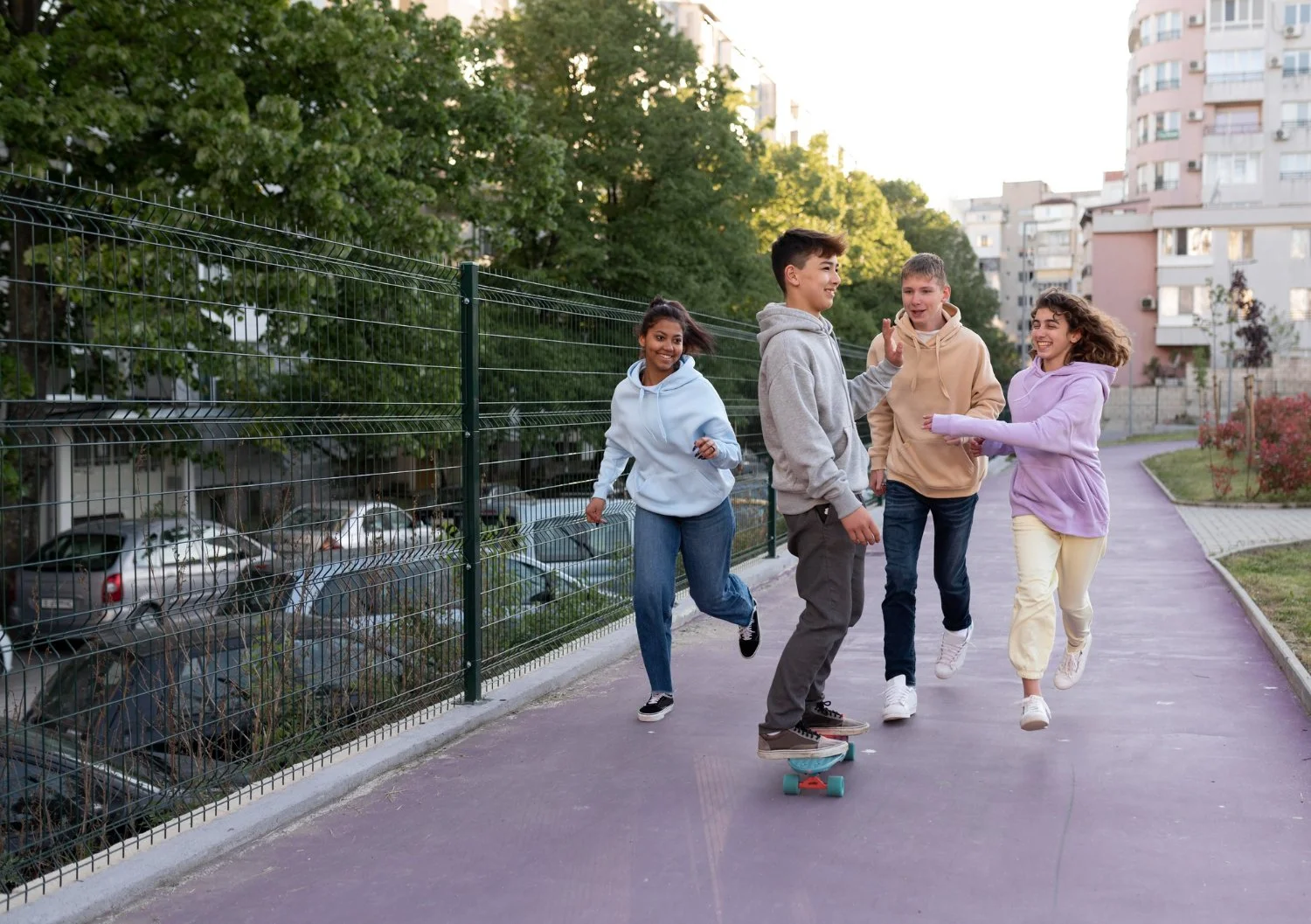
Cities are evolving rapidly, and so are the expectations of the families who live in them. Rising anxiety levels, social isolation, and lingering impacts from pandemic-related restrictions have highlighted the importance of neighborhood design that supports connection, mobility, and safety, particularly for children.
In this context, urban design is no longer just about aesthetics. It plays a critical role in shaping health outcomes, social engagement, and the long-term vitality of communities. Thoughtful planning can make neighborhoods safer, more inclusive, and more conducive to active, connected lifestyles.
Why Walkable, Family-Friendly Neighborhoods Matter
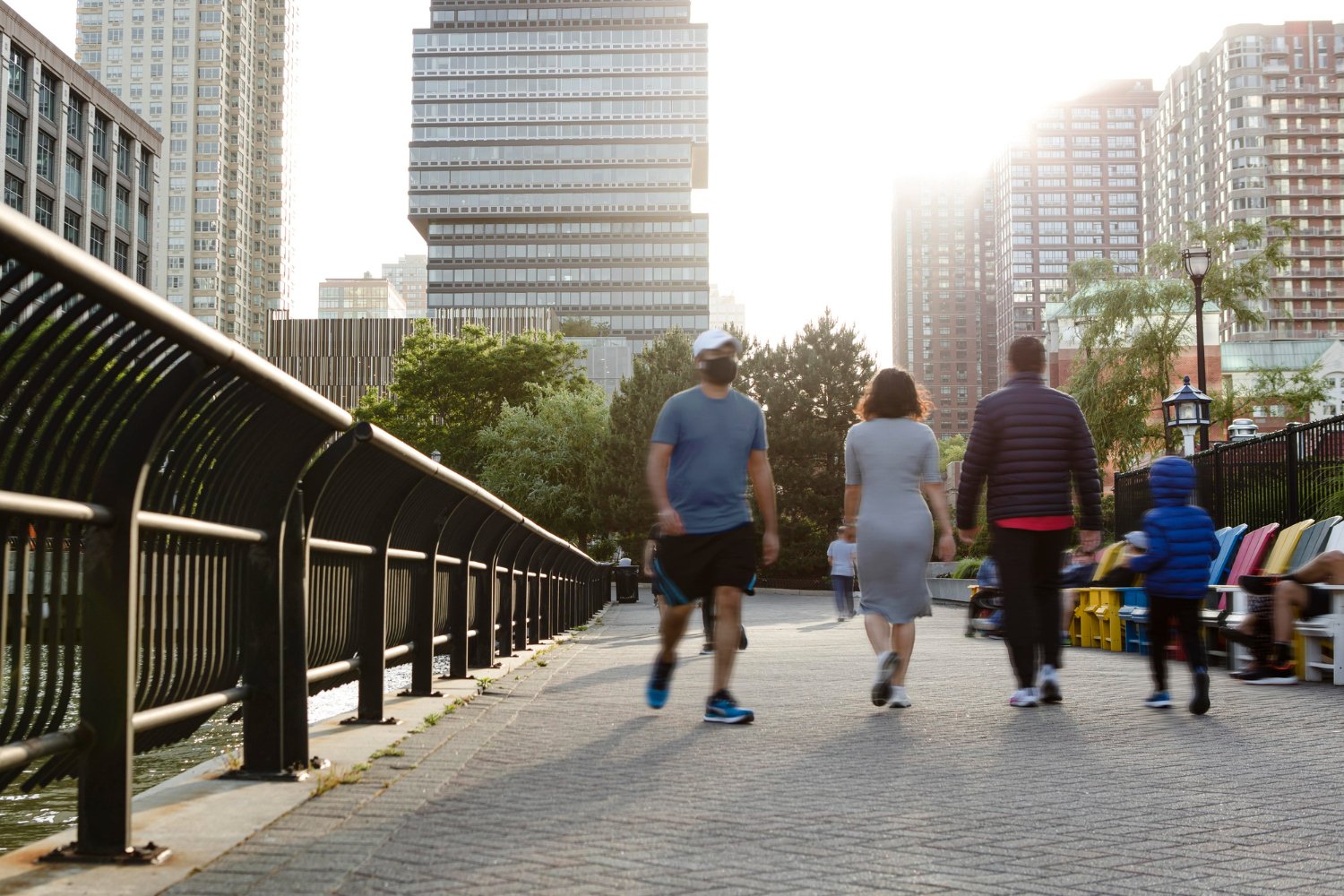
Research consistently shows that the environments in which children grow up significantly influence both physical and mental well-being. Safe streets, sidewalks, and bike lanes allow children to move independently, play outdoors, and interact with peers. These activities are essential for development.
Children who have opportunities for active transportation, such as walking or biking to school, often demonstrate higher levels of physical activity, improved attention, better cognitive performance, and lower stress levels. These benefits extend beyond childhood: active habits developed early tend to persist into adulthood, supporting long-term health outcomes.
Beyond health, neighborhoods that support children’s mobility strengthen social infrastructure. Families interacting in shared spaces like parks, playgrounds, or sidewalks build connections that foster community trust, create social networks, and enhance overall quality of life.
The Role of Education and Local Amenities
Access to quality education is a major factor in neighborhood desirability. Families prioritize communities where schools, libraries, and cultural institutions are nearby, reducing commuting time and allowing children to participate in extracurricular activities more easily.
Parks, playgrounds, and recreational facilities are equally important. These spaces not only provide venues for physical activity but also promote social learning, teamwork, and problem-solving skills. Children learn essential social behaviors, such as negotiating shared spaces, interpreting nonverbal cues, and building friendships.
Research indicates a clear link between proximity to educational opportunities and population growth in cities. Areas with well-rated public schools often experience higher demand from families seeking long-term stability and opportunities for their children. This trend underscores the importance of integrating educational and recreational amenities within walkable neighborhoods.
Human-Powered Mobility and the 20-Minute City
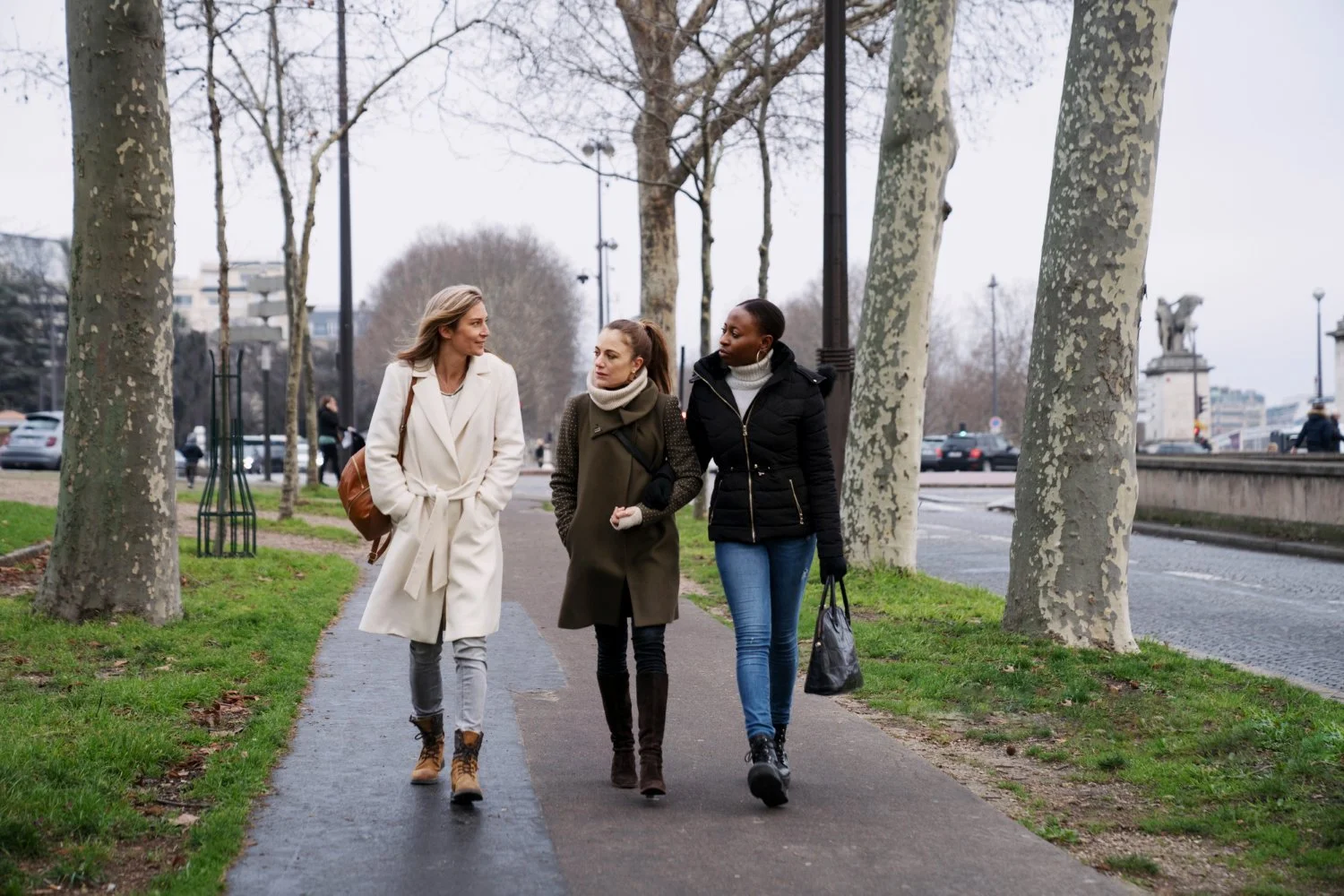
Human-powered mobility, such as walking, cycling, or other active forms of transport, is central to creating family-friendly communities. Promoting walking or biking reduces reliance on cars, encourages daily physical activity, and improves safety for the most vulnerable members of the community: children.
The 20-minute city concept provides a useful framework for designing such neighborhoods. It emphasizes that essential services, including schools, shops, parks, and healthcare facilities, should be within a 20-minute walk or bike ride.
Living within this range allows families to integrate physical activity into daily routines naturally. For children, walking or biking to school can contribute 15–45 minutes of daily activity, making it one of the simplest ways to meet recommended physical activity guidelines. Adults also benefit from increased movement, reduced traffic stress, and improved social interaction.
Seven Key Design Principles for Safety and Accessibility
To support safe, walkable communities, urban designers focus on seven core principles:
Protected Bike Lanes
Physically separated bike lanes, using barriers such as curbs, planters, or bollards, reduce conflicts with vehicles and encourage cycling among children and adults alike.Dedicated Sidewalks
Clearly distinct pedestrian paths prevent overlaps with cyclists or vehicles, improving safety and reducing accidents.Intersection Safety
Features like raised crosswalks, corner safety islands, and bike-specific traffic signals improve visibility and minimize collisions.Network Connectivity
Continuous sidewalks and bike paths linking residential areas with schools, parks, and commercial spaces ensure practicality and encourage consistent use.Maintenance and Lighting
Regular maintenance, debris removal, and adequate lighting increase usability and safety for pedestrians and cyclists at all times.Wayfinding and Signage
Clear, consistent signs guide users safely through neighborhoods. Symbol-based or bilingual signage increases accessibility in diverse communities.Green Infrastructure
Trees, shade, bioswales, and vegetative buffers enhance aesthetics, manage stormwater, reduce urban heat, and make outdoor spaces more comfortable year-round.
These design principles not only protect children but also create environments that benefit everyone in the community.
The Broader Benefits of Walkable, Child-Friendly Neighborhoods
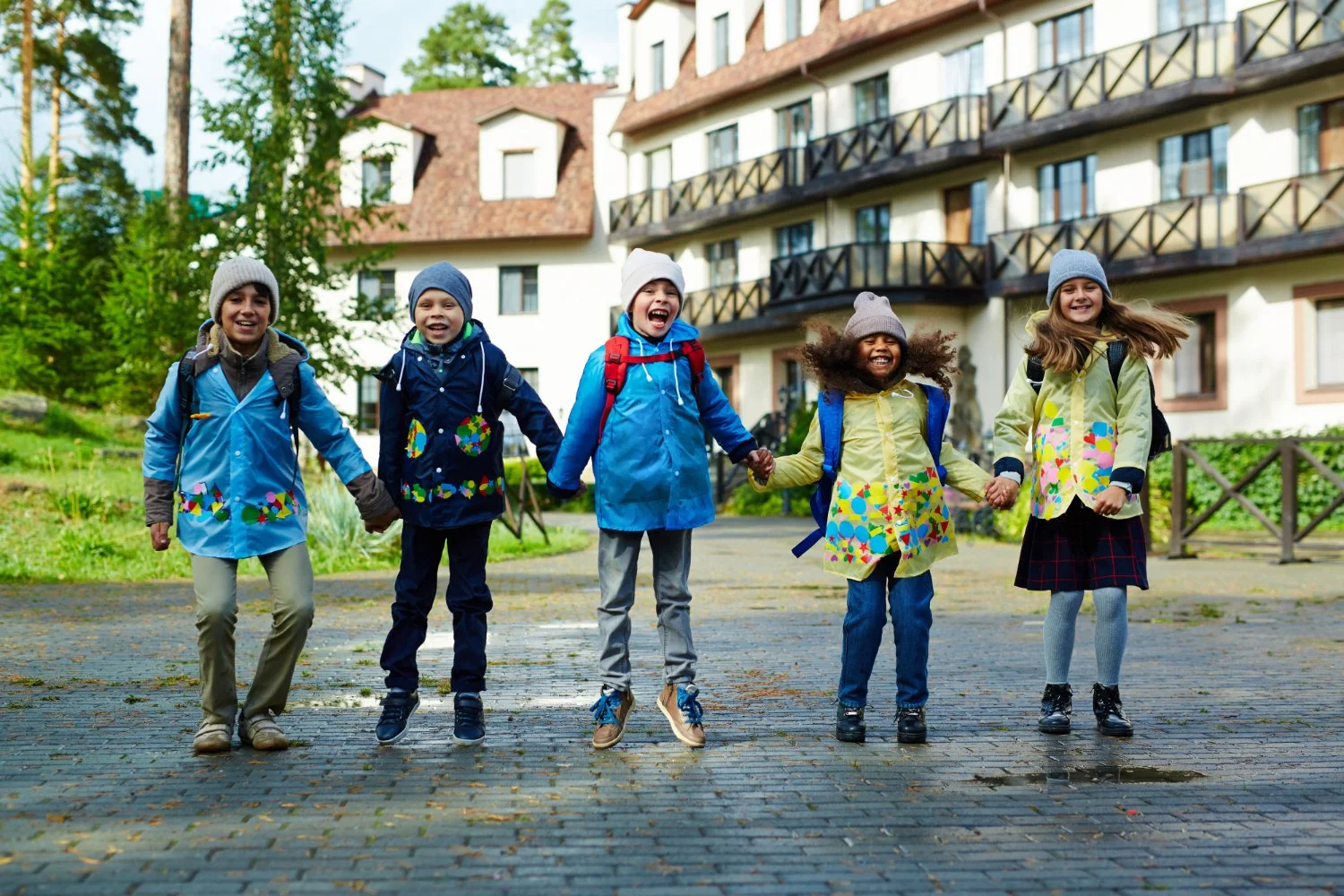
Neighborhoods designed with children in mind offer multiple benefits beyond safety:
Health: Increased opportunities for walking, biking, and outdoor play support physical fitness and mental well-being.
Social Connection: Shared spaces encourage interaction between families, neighbors, and community members, fostering trust and social cohesion.
Economic Impact: Walkable neighborhoods with higher foot traffic often benefit local businesses and support thriving community economies.
Environmental Sustainability: Reduced reliance on cars lowers emissions and encourages more sustainable living patterns.
By prioritizing children’s mobility and safety, urban design creates ripple effects that improve the quality of life for residents of all ages.
Measuring Success: Distance and Accessibility
Distance to essential amenities is a key metric for evaluating walkability. For example, living more than one mile (1.6 km) from school can discourage active transportation, reducing opportunities for daily physical activity. Shorter, safer routes encourage walking and biking while supporting children’s independence and social development.
Accessible, connected neighborhoods also make it easier for families to reach parks, libraries, and shops without needing a car. Over time, these design choices help cultivate healthier, more connected communities that are resilient and adaptable to changing needs.
Looking Ahead: Trends in Urban Design for Families

As cities continue to grow, trends in urban design are increasingly focusing on family-centered planning:
Integration of Active Transportation Networks: Expanding safe, continuous bike lanes and pedestrian pathways.
Proximity to Education and Recreation: Ensuring children can reach schools, parks, and cultural facilities within walking distance.
Green and Resilient Streetscapes: Combining shade, natural buffers, and stormwater management to create comfortable, sustainable spaces.
Inclusive Mobility Design: Accommodating users of all ages and abilities, from strollers to adaptive bikes.
Data-Driven Planning: Using surveys, population data, and health metrics to inform safe and functional neighborhood layouts.
These trends reflect a growing recognition that urban design profoundly influences family well-being and community resilience.
Conclusion
Safe, walkable neighborhoods are more than a convenience. They are a public health strategy, a social infrastructure, and a pathway to more resilient communities. By designing streets, parks, and pathways that prioritize children’s mobility and safety, cities can foster active lifestyles, stronger social connections, and healthier populations.
Thoughtful urban design doesn’t just accommodate families, it anticipates their needs, supports their routines, and nurtures the next generation. Creating communities where children can move, play, and interact safely is an investment in the long-term vitality of our neighborhoods.
Through these design strategies, we can help build cities and communities where families thrive, neighbors connect, and children grow up healthier, happier, and more independent.