
Mountain Modern vs. Contemporary Architecture: Which Style Is Right for Your Colorado Home?

You've found your land. You have a vision - something that feels grounded in Colorado, something that earns its place in the landscape rather than fighting against it. But somewhere in the process, a question surfaces: Mountain Modern or Contemporary?
These two terms get used interchangeably, even by people in the industry. They're not the same thing. The difference isn't just aesthetic, it affects your material palette, your structural engineering requirements, your relationship to the land, and ultimately how the finished home feels to live in.
At Sidney Aulds Building Studio, we work with clients across Colorado, from the Denver metro and Douglas County to mountain communities near Aspen, Breckenridge, and beyond. One of the most useful conversations we have early in a project is helping clients understand which of these styles actually reflects who they are, how they live, and what their specific site demands.
This guide breaks it down clearly, so you can walk into your design process with real direction.
What Is Mountain Modern Architecture?
Mountain Modern is a style rooted in Colorado's own building history. Its DNA traces back to the Gold Rush-era settlers who built from what the land gave them - timber, stone, and honest utility. Mountain Modern takes that vernacular tradition and brings it into the present century with contemporary structure, modern systems, and refined detailing.
The defining characteristic is material authenticity. Mountain Modern homes use reclaimed wood beams, natural stone, weathering steel, and board-formed concrete - materials that age in place, patina with the seasons, and signal that the building belongs to its environment. These aren't decorative veneers. They're structural choices that carry the visual weight of the design.
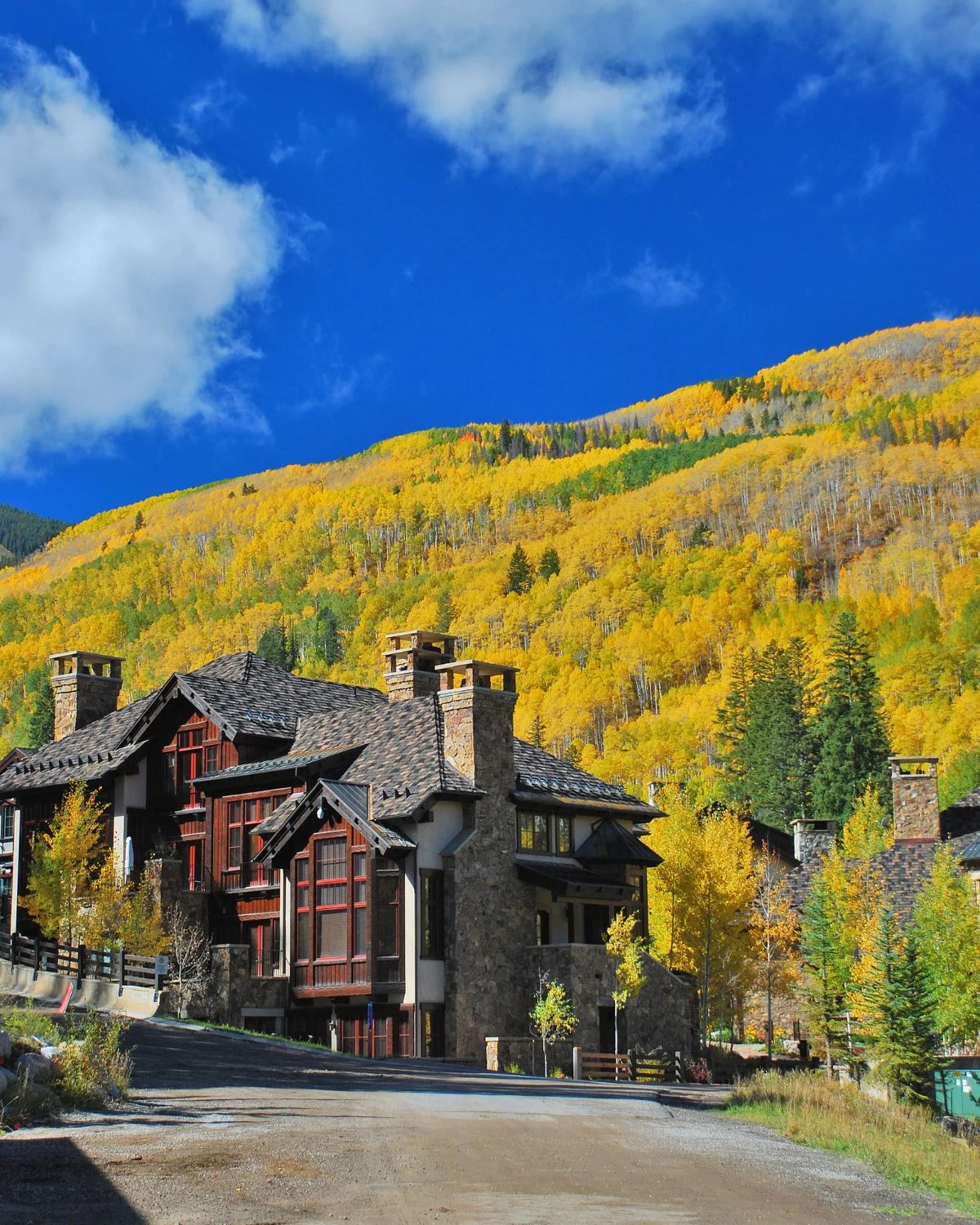
Architecturally, Mountain Modern features:
Warm, tactile material palettes — natural stone, reclaimed or thermally modified wood, exposed timber structure
Steep or shed roof profiles engineered for heavy snow loads
Large steel-framed windows that frame views while managing thermal performance
Indoor-outdoor continuity through covered decks, outdoor fireplaces, and transition zones designed for Colorado's climate
Exposed structural elements — rafters, columns, and beams that contribute to the visual character rather than being hidden behind drywall
Earth-toned, layered interiors that feel warm, grounded, and connected to the land outside
Mountain Modern answers the question: what does this place look like when it's built well? It feels like it could have grown here.
What Is Contemporary Architecture?
Contemporary architecture is not a historical style. It's a present-tense approach. Where Mountain Modern looks to Colorado's vernacular past, Contemporary design is shaped by where architecture is right now: clean geometry, restrained material palettes, sculptural form, and a gallery-like clarity of space.
A well-designed Contemporary home in Colorado is not "cold" or disconnected from its surroundings. Done correctly, it engages the landscape through carefully composed frames, strategic openings, and a discipline that lets the site become the visual experience rather than competing with it.
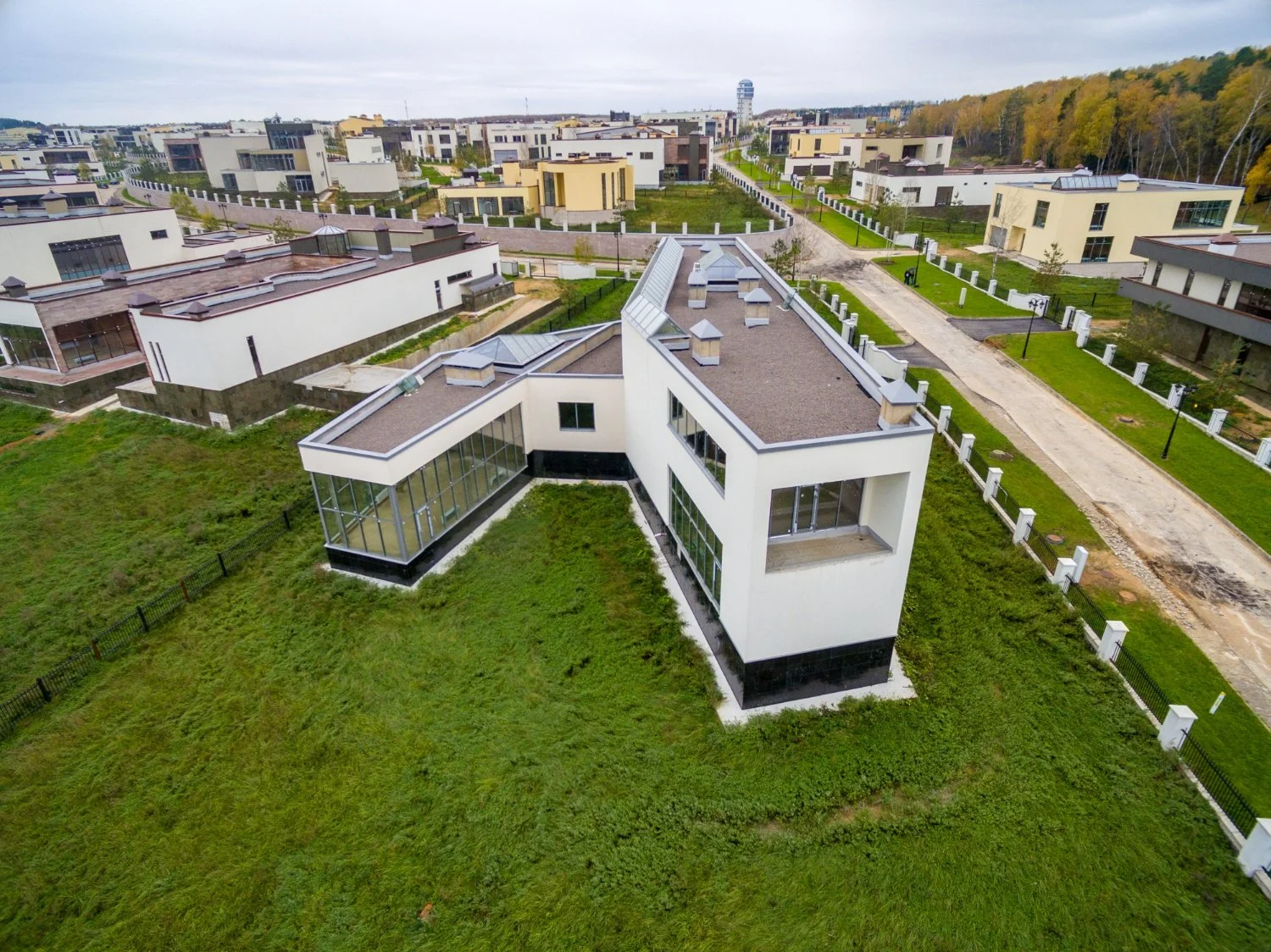
Contemporary architecture features:
Minimal ornamentation — the architecture speaks through proportion, material contrast, and light
Tight material palettes — often concrete, glass, blackened steel, and a single warm wood tone used with precision
Flat or low-pitch rooflines that emphasize horizontal planes and geometric boldness
Expansive glazing that treats the view as art — framed, composed, and deliberately placed
Sculptural interior volumes — double-height spaces, floating staircases, gallery corridors
A sense of stillness and order that rewards those who appreciate design as its own discipline
Contemporary homes are often described as feeling like inhabiting a piece of architecture. They reward a certain sensibility — clients who appreciate modern art, who value transparency over warmth, who want a sanctuary that feels curated and calm.
The Real Differences: Side by Side
Factor Mountain Modern Contemporary
Material Character Warm, layered, tactile — stone, Restrained, precise — concrete, glass,
reclaimed wood, weathering steel blackened steel, single warm accent
Roofline Steep pitches, multiple slopes, Flat or low-pitch, horizontal
heavy snow-shedding geometry emphasis, bold geometry
Windows Large steel-framed, view-focused, Expansive glazing, floor-to-ceiling,
integral to timber structure often wall-sized compositions
Interior Feel Layered warmth, natural textures, Gallery-like, sculptural, meditative clarity
organic connection to outside
Relationship to Site Grows from the land, references Engages the landscape through
Colorado's building vernacular composition and framing
Ideal Client Loves tactile materials, outdoor Appreciates modern art, precision, stillness,
culture, sense of place design as experience
Cost Complexity Heavy timber, stone, and Custom concrete, structural glazing,
reclaimed material sourcing and precision detailing carry premium costs
adds cost and lead time
Colorado Fit
(Mountain Sites) Engineered natively for snow loads, Requires careful adaptation —
thermal cycling, alpine conditions not every form works at altitude
Colorado Fit (Front Range
/ Denver Metro) Works beautifully, especially on Highly versatile across urban infill,
wooded or elevated lots suburban, and scenic Front Range sites
How Your Site Should Influence the Decision
This is where many clients get it wrong. They choose a style in the abstract before accounting for what their land actually demands.
Mountain and High-Altitude Sites (7,000 ft+)
Building at elevation in Colorado introduces engineering requirements that aren't optional. Snow loads in resort counties can exceed 150 pounds per square foot, nearly five times the load designed for at sea level in Denver. UV radiation at 8,000 feet is 25–40% more intense than at lower elevations, meaning material degradation happens faster and finish selection becomes a performance decision, not just an aesthetic one.
Mountain Modern architecture was developed for exactly these conditions. Its steep roof profiles shed snow loads naturally. Its material palette — stone, thermally modified wood, weathering steel — performs under UV and thermal cycling without requiring frequent refinishing or replacement. The exposed structural elements that give Mountain Modern its visual character aren't decorative; they're structural responses to the environment.
Contemporary architecture can absolutely work at altitude, but it requires more careful engineering adaptation. Flat rooflines need robust drainage and snow management systems. Large glazing assemblies require precision framing to handle thermal expansion and structural drift. These solutions exist — they just need to be baked into the design from the start, not retrofitted.
Front Range, Denver Metro, and Douglas County (3,500–6,500 ft)
On the Front Range — in communities like Lone Tree, Castle Pines, Parker, and across Douglas County — both styles perform well, and the choice becomes more purely one of lifestyle alignment and site character.
Contemporary architecture thrives on urban infill lots, flat or gently sloping sites, and locations where the view is a Denver skyline or a curated garden rather than a mountain panorama. Mountain Modern works beautifully on wooded lots, properties with topographic interest, and sites where the natural character of the land calls for materials that feel rooted.
The question to ask at the Front Range: does your land have a strong character that should be honored, or is the design itself the primary experience?
Passive Solar, Thermal Mass, and Performance: What Both Styles Share
Regardless of which direction you lean aesthetically, high-performance design in Colorado uses the same foundational tools.
Passive solar orientation is perhaps the most powerful free resource in Colorado's climate. South-facing glazing captures winter sun and naturally warms the home. Deep overhangs prevent overheating in summer. Properly implemented passive solar design can reduce heating costs by 40–60% without adding mechanical complexity.
Thermal mass — concrete floors, stone walls, or masonry elements — stores heat during the day and releases it at night, moderating the dramatic temperature swings that Colorado's high-desert climate produces.
Both Mountain Modern and Contemporary architecture can integrate passive solar design elegantly. In Mountain Modern, south-facing windows sit within a timber structural frame. In Contemporary design, they become the wall itself. The physics is the same; the expression differs.
At Sidney Aulds Building Studio, passive performance is a design generator, not an afterthought. We orient every home to work with Colorado's climate before we begin detailing the aesthetic.
What Kind of Client Chooses Mountain Modern?
Mountain Modern tends to resonate with clients who:
Feel a deep connection to Colorado's outdoor culture — skiing, hiking, ranching, or simply living close to the land
Want their home to feel earned by its setting — like it belongs where it sits rather than having been placed there
Appreciate warmth, texture, and layering over minimalism and restraint
Are building primary residences or multi-generational homes where the material richness of the space is part of daily life
Are siting on wooded, slope, or mountain properties where the vernacular character of Mountain Modern feels native
Value craftsmanship and artisan detail — the hand-hewn beam, the locally sourced stone, the custom steel window
What Kind of Client Chooses Contemporary?
Contemporary architecture tends to suit clients who:
Are drawn to modern art, galleries, and design as discipline — who find joy in restraint and composition
Want a home that feels forward rather than referential — not tied to a historical moment in design
Are building on view-oriented, topographically dramatic, or urban sites where the land calls for bold architectural response
Appreciate stillness and order — a curated environment rather than a layered, textured one
Are open to material experimentation — raw steel and hand-hewn limestone together, board-formed concrete alongside live-edge wood
Are building second homes, retreats, or high-design primary residences where the architecture itself is part of the experience
Can You Blend Both?
Yes — and many of our best projects do.
The discipline of Contemporary architecture (careful editing, commitment to honest materials, structural clarity) doesn't have to be abandoned when building in a mountain context. And the material richness of Mountain Modern doesn't make a design sentimental or backward-looking.
The key is intentionality. Blending works when there's a clear hierarchy — when you've decided which sensibility leads and which one supports. A Mountain Modern home can have a Contemporary interior. A Contemporary form can be clad in materials with Mountain Modern character. What doesn't work is arbitrary mixing — warm and cold, restrained and layered, without a design rationale.
This is where an experienced Colorado architect adds real value. Not to impose a style, but to help you articulate what you actually want — and then deliver it with coherence.
The Human-Centered Design Question
At Sidney Aulds Building Studio, our architectural philosophy centers on one idea: the best design begins with understanding how people actually live.
Before we talk about style, we want to understand you. How do you move through a home in the morning? Where do you want to feel the land? Do you want to walk in and feel held by warmth and texture, or held by light and space? Do you host large gatherings or prefer intimate scale? Do your children need a mudroom that handles ski gear and muddy boots, or do you need a home that functions as a gallery-quiet retreat?
Style follows that conversation. Mountain Modern and Contemporary are vocabularies, not identities. The right choice is the one that fits your life — not the one that photographs best or trends highest in architectural publications.
How We Approach the Choice at Sidney Aulds Building Studio
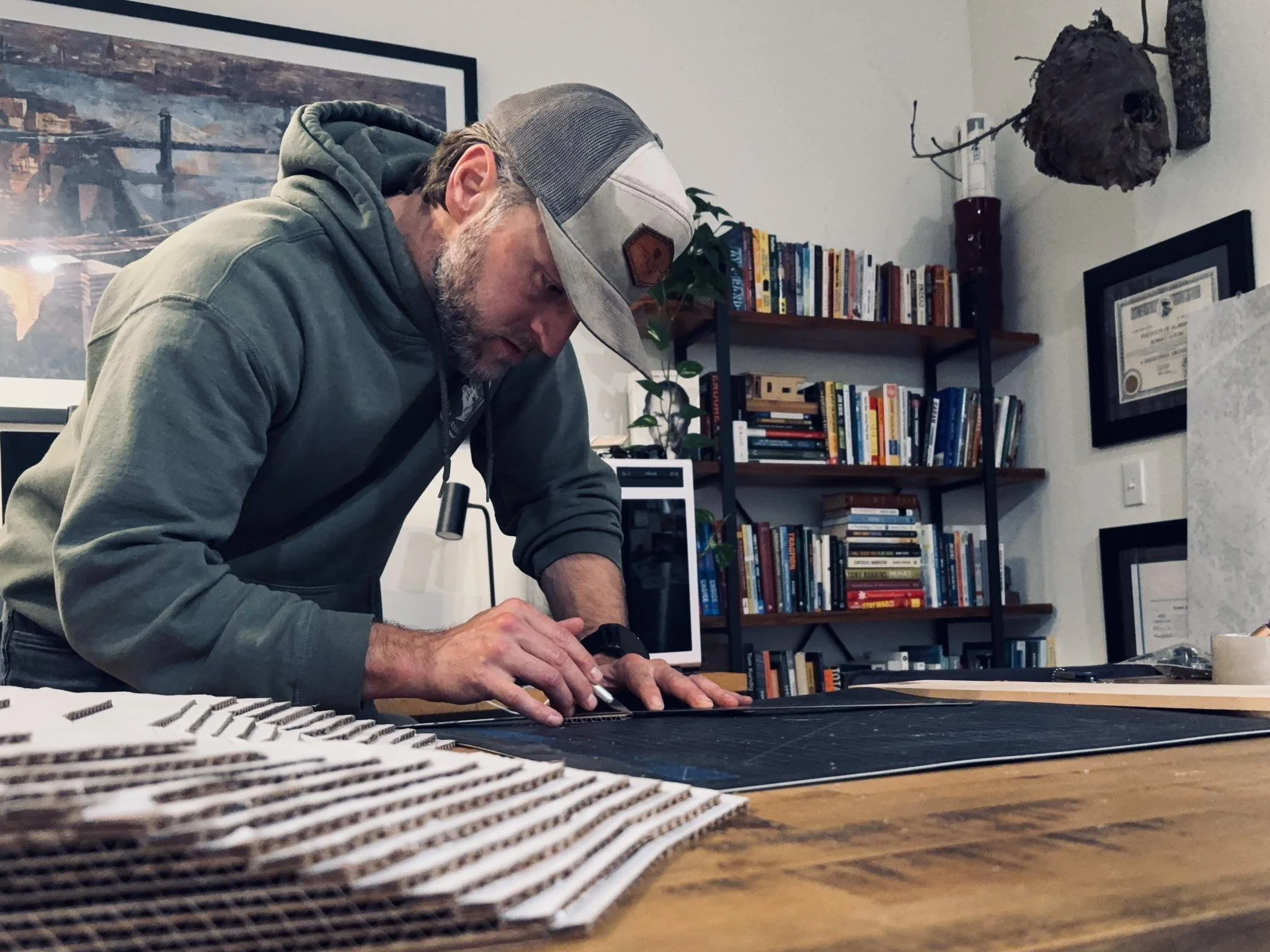
Our process begins with a discovery phase that most clients describe as the most clarifying conversation they've had about their project. We listen for the things you don't say as much as the things you do. We look at your site with you — in person, across seasons when possible — because the land often tells us more about the right direction than any mood board.
From there, we sketch, model, and iterate until we find a clear design direction that serves your vision, your site, and Colorado's demanding climate. Whether that lands on Mountain Modern, Contemporary, or a thoughtful synthesis of both, every decision earns its place in the design.
We provide fully integrated services — architectural design, construction management, and real estate development consulting — which means we're thinking about how each design choice affects your budget, your build timeline, and your long-term experience of the home. Not just how it looks at completion.
Frequently Asked Questions
Is Mountain Modern more expensive than Contemporary?
Not categorically. Both styles can range from mid-range to premium depending on material selection, site complexity, and scope. Mountain Modern's heavy timber, natural stone, and reclaimed material sourcing can add cost and lead time. Contemporary's precision detailing, custom concrete work, and structural glazing carry their own premiums. A detailed feasibility study early in the process is the best way to understand the cost for your specific project.
Does Mountain Modern only work in mountain locations?
No. Mountain Modern translates beautifully to the Front Range, particularly on wooded lots, elevated sites, or properties where the natural character of the land benefits from materials that feel native. We've designed Mountain Modern-influenced homes in Denver-area communities that feel completely at home.
Which style holds its value better in Colorado?
Both perform well in Colorado's residential market. Mountain Modern tends to resonate deeply with buyers who are specifically drawn to Colorado's identity — which is a large and consistent segment of the market. Contemporary design commands strong premiums in high-design segments, urban infill, and premium mountain resort markets. Location and execution quality matter more than style selection.
How do I know which style is right for me?
The best way is to have a conversation with an architect before you've committed to anything. We offer initial consultations specifically to help clients get clear on direction before scope, budget, and timelines are set. Clarity early saves significant time and cost later.
Ready to Find Your Direction?
If you're planning a custom home in Colorado — whether in the mountains, across Douglas County, or anywhere on the Front Range — the Mountain Modern vs. Contemporary question is worth exploring carefully before you commit to a design path.
At Sidney Aulds Building Studio, we take the time to understand you, your land, and your vision before we recommend any direction. That's not a process step — it's the foundation of every project we build.
Sidney Aulds Building Studio is a full-service architecture firm specializing in human-centered residential design, construction management, and real estate development consulting. Our portfolio spans custom homes, mountain architecture, mixed-use developments, and ranch properties across Colorado.